
Flat Feet in Adults: Treatment and When Orthotics Help
You get to the end of a long day and your arches ache. Your shins feel tight after a walk. Maybe your knees complain on the stairs. Then someone points out that your feet look flat, and suddenly things start to make sense.
Flat feet are common in adults. For many people, they never cause a problem. For others, however, a low arch changes the way the whole leg moves, and that can lead to pain anywhere from the feet to the lower back.
This guide explains flat feet treatment for adults, what causes the arch to drop, and when custom orthotics are worth it.
What Are Flat Feet in Adults?
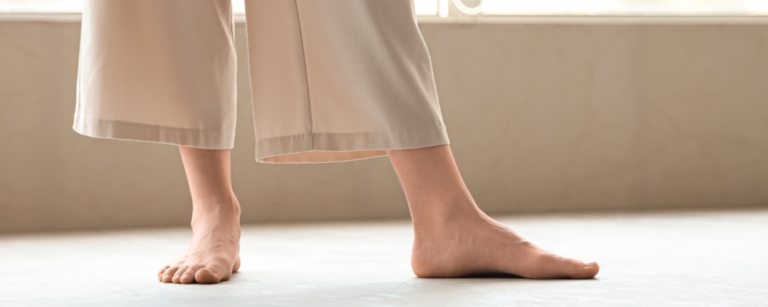
Flat feet (also called fallen arches or pes planus) means the arch on the inside of your foot sits low or touches the ground when you stand. There are two main types.
Flexible flat feet. The arch appears when you sit down or stand on your toes, then flattens when you put weight through the foot. This is the most common type.
Rigid flat feet. The arch stays flat whether you stand or not. This type is less common and often needs a closer look.
Some adults have had flat feet since childhood. Others notice the arch dropping later in life. Podiatrists call this adult-acquired flatfoot, and it deserves attention because it usually has a cause.
If you are a parent wondering about your child’s feet, read our guide to flat feet in kids instead. Children’s feet behave very differently.
Signs Your Flat Feet Are Causing Problems
Flat feet on their own do not need treatment. What matters is whether they cause symptoms. Watch for:
- Aching arches or heels after standing or walking
- Pain along the inside of the ankle
- Tired legs or shin pain after exercise
- Knee, hip or lower back pain with no clear cause
- Shoes that wear down quickly on the inside edge
- One arch that looks flatter than the other
That last sign matters most. If one foot has started to flatten, especially with pain on the inside of the ankle, book an assessment soon.
What Causes Flat Feet in Adulthood?
Several things can cause the arch to drop. Often, more than one factor plays a part.
Posterior tibial tendon dysfunction (PTTD). This tendon runs along the inside of the ankle and helps hold up the arch. When it weakens or becomes inflamed, the arch can gradually collapse. It is one of the most common causes of adult-acquired flat feet. Our guide to PTTD covers the warning signs.
Genetics. Flat feet often run in families.
Load. Extra body weight, long shifts on hard floors and high-impact training all increase the strain on the arch.
Injury. Ankle fractures, bad sprains or tendon damage can change how the foot holds its shape.
Arthritis. Inflammatory arthritis can damage the joints and ligaments that support the arch.
Tight calves. A tight calf forces the foot to roll in to compensate. Over time, this adds strain to the arch and the joints of the foot. We explain the link in how tight calves can lead to bunion pain.
Book Your Podiatry Assessment Today
Flat Feet Treatment Options for Adults
The right treatment depends on the cause, how flexible your feet are and how active you are. Most people do well with a combination of the options below.
Supportive footwear
Shoes are the first step. Look for a firm heel counter, a stable midsole and plenty of room for your toes. Flimsy shoes and tired runners let the foot roll in further. Not sure if yours need replacing? Here is how to know when your shoes are worn out.
Strengthening and stretching
Exercises help the muscles that support your arch do their job. A podiatrist may prescribe:
- Calf stretches to reduce the pull on the arch
- Short foot exercises, where you gently lift the arch without curling your toes
- Single-leg balance work to improve ankle control
- Slow heel raises to strengthen the tendon on the inside of the ankle
These work best when tailored to you. Generic exercises from the internet can miss the real problem.
Custom orthotics
Orthotics support the foot and control how much it rolls in as you walk. No two flat feet move the same way, so at Sole-Lution Podiatry we only prescribe custom orthotics.
Every pair starts with a biomechanical assessment and a scan or cast of your feet. Your podiatrist then prescribes them based on how your feet actually move. As a result, they target the cause of your pain rather than simply propping up the arch.
Changing your load
Sometimes treatment means adjusting your activity for a while. For example, you might swap some running for cycling or swimming, or build up your training more gradually.
Specialist referral
Occasionally, rigid flat feet or advanced tendon damage need imaging or a surgical opinion. Your podiatrist can tell you if a referral makes sense.
When Do Custom Orthotics Help Flat Feet?
Custom orthotics are not for everyone with flat feet. They tend to help most when:
- You have arch, heel, shin or knee pain linked to how your foot moves
- Better footwear and exercises have not fully settled your pain
- One foot is flatter than the other
- You run, play sport or spend long hours on your feet
- You have PTTD or early signs of the arch collapsing
On the other hand, if your feet are flat but pain-free, you probably do not need them. A good podiatrist will tell you that straight.
Find out more about our custom orthotics service.
What Happens at a Biomechanical Assessment?
A biomechanical assessment looks at how your feet, ankles and legs work together. It is the best way to find out why your flat feet hurt and whether orthotics will help.
At Sole-Lution Podiatry, your appointment usually includes:
- A conversation about your symptoms, activity and footwear
- Checks of joint movement and muscle strength in your feet and legs
- Watching how you stand, walk and, if needed, run
- A look at the wear pattern on your shoes
- A clear treatment plan, which may include exercises, footwear advice or custom orthotics
By the end, you will know what is going on and exactly what to do next.
Book a Flat Feet Assessment in Petersham
Sole-Lution Podiatry helps adults across Sydney’s Inner West get on top of flat feet. We find the cause first, then build a plan that suits your feet and your lifestyle.
Book online or call the clinic to make an appointment.