What Is Sports Podiatry and How Can It Help You?
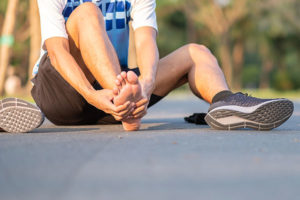
Foot pain can stop your training in its tracks. One week you are hitting personal bests. The next week, every step hurts.
The wrong pair of rugby boots is one of the most overlooked causes of lower limb injuries in club and amateur players. From ankle sprains to Achilles tendinopathy, footwear choice has a direct impact on injury risk, and most players never think to ask their podiatrist about it before the season starts.
At Sole-Lution Podiatry, we see rugby-related foot and lower limb injuries throughout the season. Many of them are preventable with the right boot. Here is what we recommend.
Before you consider brand or price, these are the factors that matter most from a podiatry standpoint:
Heel counter: The heel counter is the rigid structure at the back of the boot that controls how your heel sits. A firm heel counter provides stability and reduces your risk of ankle rolling, particularly for forwards who are involved in contact and set pieces. If you can squeeze the back of the boot easily with your fingers, the heel counter is too soft.
Toe box width: Your toes need room to splay when you push off and change direction. A toe box that is too narrow compresses the toes, increasing your risk of black toenails, blisters, and conditions like hallux valgus over time. This is particularly important if you have a wider foot or wear orthotics.
Stud configuration: Studs affect traction, load distribution, and injury risk. More studs spread the load more evenly across the foot. Fewer, longer studs increase grip but also increase rotational force on the knee and ankle. Your position and typical ground conditions should guide this decision.
Orthotic compatibility: If you wear custom orthotics, the boot needs enough internal volume to accommodate them without compressing the foot. Boots with removable insoles are strongly preferred. Always bring your orthotics when trying on boots.
At Sole-Lution Podiatry, we see rugby-related foot and lower limb injuries throughout the season. Many of them are preventable with the right boot. Here is what we recommend.
Forwards need stability, durability, and grip. You are in contact situations constantly, driving through scrums, competing at lineouts, and absorbing physical load throughout the game. Your boot needs to handle all of it.
What to look for: A firm heel counter, 8-stud configuration for scrum stability, a wider fit to handle swelling during match play, and durable materials that hold up to repeated contact.
Our current picks:
Adidas Kakari The Kakari range continues to dominate for forwards in 2026, built for power and stability and ideal for props, locks, and back-row players. The 8-stud sole provides solid ground contact in set pieces, and the structured upper supports the foot well during lateral movement. From a podiatry standpoint, it has a reliable heel counter and accommodates orthotics reasonably well with the removable insole. Rebel Sport
Canterbury Stampede Canterbury’s Stampede is a go-to for forwards and a well-regarded option at club level. It offers a wider fit than many competitors, which suits players with broader feet or those prone to forefoot swelling during long matches. Durable construction holds up well over a full season. Canterbury Stampede
Mizuno (forwards range) Mizuno produces some of the better-fitting boots for players with wider feet or higher arches. Their forwards range offers solid heel support and a generous toe box, which reduces nail compression and blister risk during intense play.
Backs need speed, responsiveness, and agility. You are changing direction at pace, accelerating off the mark, and covering large areas of the field. A lighter boot reduces fatigue over the course of a game, but it cannot come at the expense of support.
What to look for: A lightweight upper, 6-stud or bladed configuration for quick ground release, a snug but not tight fit, and adequate ankle support given the lateral demands of backline play.
Our current picks:
Adidas RS15 The Adidas RS15 is particularly popular with playmakers due to its balance of speed and kicking control. It sits in a sweet spot between lightweight agility and structural support, making it a solid choice for halfbacks, fly halves, and centres. The fit is relatively narrow, so players with wider feet should try before they buy. Addidas
Adidas Predator 2026 The Predator 2026 brings a modern twist on the classic Predator with an engineered mesh upper for a lighter feel, plus rubber elements that improve grip when kicking or passing. It is a strong pick for kickers and backs who prioritise control and accuracy. The fold-over tongue provides a cleaner strike surface and a secure fit around the ankle.
Nike Mercurial (rugby configuration) Nike Mercurial is popular among backs at professional level for its minimal weight and low-profile design. Worth noting from a podiatry perspective: the very low heel drop and minimal cushioning means it is not well suited to players with plantar fasciitis, Achilles issues, or those who rely on orthotic support. If your injury history is clean and your foot biomechanics are sound, it performs well. If not, prioritise a boot with more structure.

Yes, and for many players with existing lower limb issues, custom orthotics are one of the best investments you can make before the season starts.
Custom orthotics inside a well-fitted rugby boot can reduce your risk of plantar fasciitis, shin splints, and ankle instability, all of which are common presentations we see at Sole-Lution Podiatry throughout the rugby season.
The key is boot selection. You need a boot with a removable insole and enough internal volume to fit the orthotic without pushing your foot upward in the boot. Many modern forward boots accommodate this well. Lightweight backs boots are more restrictive, so if you need orthotics, discuss boot selection with your podiatrist before you buy.

Foot pain can stop your training in its tracks. One week you are hitting personal bests. The next week, every step hurts.

Shin splints are painful and frustrating. Learn what causes them, how to prevent them, and when to see a podiatrist for lasting relief.

Struggling with heel pain? These podiatrist-approved plantar fasciitis exercises help relieve pain at home. Learn how to do them and when to get help.