

Sole-Lution Podiatry

Blogs

How to Avoid Shin Splints
Sports & Active Feet

How to Avoid Shin Splints

Shin splints are painful and frustrating. Learn what causes them, how to prevent them, and when to see a podiatrist for lasting relief.

Read More »
Custom Orthotics
Sports & Active Feet

Can Orthotics Help with Plantar Fasciitis?

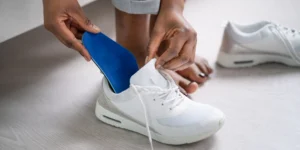
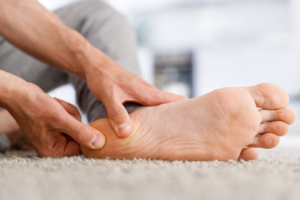
If you have been dealing with foot pain, heel pain, or discomfort when you walk, you have probably heard about orthotics. However, with so many options available, it can be hard to know where to start.

Read More »
High vs low ankle sprain
Sports & Active Feet

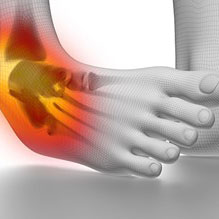
High Ankle Sprain vs Low Ankle Sprain: What’s the Difference?

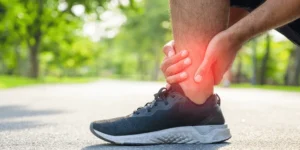
Ankle sprains are one of the most common injuries we see at Sole-Lution Podiatry. However, not all ankle sprains are the same. In fact, there are two main types, and the treatment for each one is quite different. So understanding which type you have is the first step toward a full recovery.

Read More »
What happens in nail surgery?
Ingrown Toenails

What is Involved in Nail Surgery?

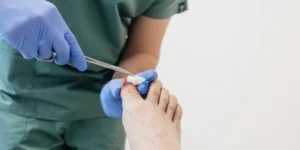
A common concern we hear is that Nail surgery is scary and extremely painful. I’m here to tell you that this is not the case! Keep reading to find out more..

Read More »
how to prevent ingrown toenails
Ingrown Toenails

What You Can Do To Prevent Ingrown Toenails

Most of us have experienced the pain and suffering from an ingrown toenail – but you need not to worry any more! Fortunately there are several measures you can take to prevent them from occurring.

Read More »
Children's Podiatry

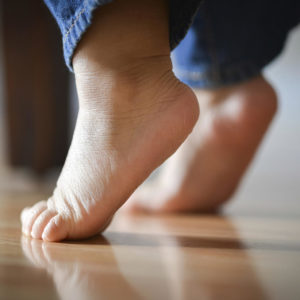
Toe walking in children

A key stage in a child’s development is learning to walk. However, all children develop at different rates and with different patterns of moving. Toe

Read More »
Foot Conditions

What is Metatarsalgia?

Metatarsalgia is a broad term that describes pain in the forefoot, in the area of the metatarsal bones. These are the long bones in your

Read More »
Sports & Active Feet

Stress fractures from running

What is a Stress Fracture? Stress fractures are tiny cracks in a bone caused by repetitive force. This most often occurs due to overuse. i.e.,

Read More »