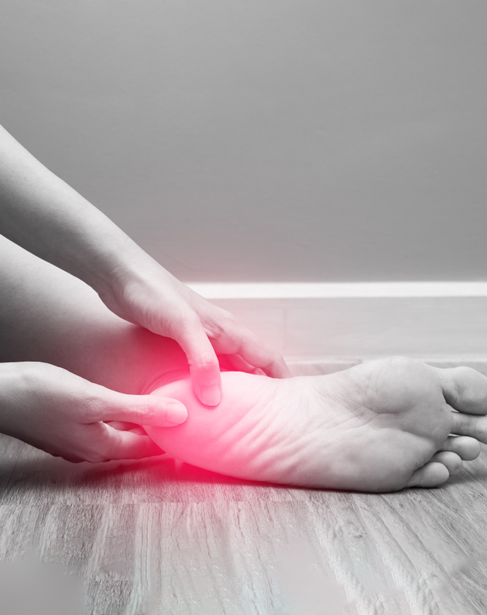
Plantar fasciitis is one of the most common causes of heel pain. It affects the plantar fascia, a thick band of tissue that runs along the bottom of your foot, connecting your heel bone to your toes.
When this tissue becomes overloaded or irritated, it develops small tears. Over time, those tears cause inflammation and pain. Many people feel it most sharply first thing in the morning, or after sitting for a long period.
Without treatment, plantar fasciitis can take many months to resolve. The good news is that the right care makes a significant difference. At Sole-Lution Podiatry, we assess the root cause of your heel pain and build a treatment plan around your lifestyle.
Common Symptoms of Plantar Fasciitis
Not all heel pain is the same. However, plantar fasciitis tends to follow a recognisable pattern. You may have plantar fasciitis if you experience:
Sharp heel pain when you take your first steps in the morning
Pain after sitting or resting for a long time
Discomfort that eases with movement but returns
Aching or stiffness along the bottom of your foot
Pain that worsens when you stand for extended periods
Difficulty wearing flat shoes or walking barefoot
If any of these sound familiar, it is worth getting assessed early. The sooner you address plantar fasciitis, the easier it is to treat.
What Causes Plantar Fasciitis?
Several factors can lead to plantar fasciitis developing. In many cases, it is not one single cause but a combination of things putting repeated stress on the foot.
Common contributing factors include:
Sudden increases in activity or training load
Prolonged standing on hard surfaces
Tight calf muscles or a restricted ankle joint
Flat feet or high arches
Worn-out or unsupportive footwear
Being on your feet all day for work
Understanding what is driving your symptoms helps us target the right treatment. That is why every patient at Sole-Lution Podiatry starts with a thorough biomechanical assessment.
How We Treat Plantar Fasciitis at Sole-Lution Podiatry
There is no single fix for plantar fasciitis. Effective treatment depends on your individual presentation. At Sole-Lution Podiatry, we use a combination of evidence-based approaches to get you moving again.
Massage and Soft Tissue Therapy
Hands-on therapy reduces tightness in the plantar fascia and surrounding muscles. It also improves blood flow to the area, which supports healing.
Dry Needling
Dry needling targets trigger points in the calf and foot muscles that contribute to plantar fascia tension. Many patients notice a meaningful reduction in pain after just a few sessions.
Foot and Ankle Mobilisation
Restricted movement in the ankle joint often plays a role in plantar fasciitis. Mobilisation techniques restore normal range of motion and reduce strain on the plantar fascia.
Strapping
Supportive taping gives the plantar fascia a chance to settle and recover. It is especially useful in the early stages of treatment, or during periods of high activity.
Orthotic Therapy
Custom orthotics correct the underlying foot mechanics that are loading the plantar fascia. They are made specifically for your foot shape and the way you move. To learn more, visit our Orthotic Therapy page.
Exercise Therapy
A structured exercise program addresses the muscle weakness and tightness that commonly drives plantar fasciitis. We provide a clear, practical routine you can follow at home.
Connect with us
Any Queries?
Click HERE to book an appointment with one of our experienced podiatrists and get moving again!