
Ingrown Toenail Surgery: What to Expect and Recovery
An ingrown toenail can turn a simple walk into a painful chore. For many people, it settles with good nail care. However, some nails keep growing back into the skin no matter what you try. When that happens, ingrown toenail surgery is often the most reliable fix.
This guide explains how the procedure works, what recovery looks like and when it makes sense to book in.
What Is an Ingrown Toenail?
An ingrown toenail happens when the edge of the nail grows into the skin beside it. It most often affects the big toe. As a result, the area turns red, swollen and tender. In some cases, it also becomes infected.
Common causes include:
- Cutting nails too short or rounding the corners
- Tight or narrow shoes
- A naturally curved or wide nail
- Stubbing or injuring the toe
- Picking or tearing at the nail
When Should You Consider Surgery?
Not every ingrown toenail needs surgery. In fact, a podiatrist can often settle a first-time ingrown nail by trimming the problem edge in a standard appointment.
Surgery becomes the better option when:
- The same nail keeps becoming ingrown
- You have had repeated infections or courses of antibiotics
- Pain stops you from wearing shoes, working or playing sport
- Home care has not helped after a few weeks
Antibiotics can clear an infection. Still, they do not remove the piece of nail causing the problem. So if the nail keeps coming back, surgery treats the root cause rather than the symptoms.
How Ingrown Toenail Surgery Works
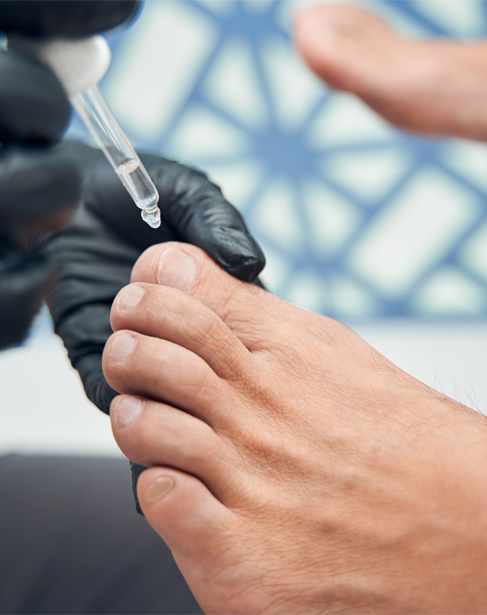
The most common procedure is a partial nail avulsion, often called a PNA. Your podiatrist removes only the narrow strip of nail that grows into the skin. The rest of the nail stays in place, so your toe still looks natural once it heals.
Here is what typically happens on the day:
- Assessment. Your podiatrist checks the nail, the surrounding skin and your general health to make sure surgery suits you.
- Local anaesthetic. Next, your podiatrist numbs the toe. You may feel some pressure, but you should not feel pain.
- Nail removal. Your podiatrist then removes the ingrown edge of the nail.
- Preventing regrowth. After that, your podiatrist applies a chemical called phenol to the nail root. This stops that strip of nail from growing back.
- Dressing. Finally, your podiatrist bandages the toe and you walk out the same day.
The whole appointment usually takes under an hour, including time for the anaesthetic to work.
Book Your Podiatry Assessment Today
Does It Hurt?
Most people worry about the needle more than anything else. Fortunately, the anaesthetic works quickly and the procedure itself is usually painless.
Once the numbness wears off, your toe may ache for a day or two. Simple pain relief from your pharmacy is usually enough to manage it.
Recovery: What to Expect
Recovery is often quicker than people expect. Most patients return to work or school within a day or two.
Here is a general timeline:
- First 24 to 48 hours: Rest with your foot raised and keep the dressing dry.
- First week: Wear open or roomy shoes and change the dressing as your podiatrist advises.
- Two to six weeks: The area heals fully. Some light discharge during this time is normal while the treated area settles.
- Follow-up visits: Your podiatrist checks healing and changes dressings at review appointments.
Avoid swimming and high-impact exercise until your podiatrist gives you the all clear. Also, contact the clinic if you notice increasing pain, spreading redness or a fever.
Will the Ingrown Toenail Come Back?
Partial nail avulsion with phenol has a high success rate. The treated edge rarely grows back, which is why podiatrists recommend it for recurring ingrown nails. Occasionally a small spike of nail can regrow. If that happens, your podiatrist can usually treat it quickly.
For general information on ingrown toenails and prevention, see the Queensland Government health guide.
Looking After Your Nails Afterwards
Good habits help keep your nails healthy once you have healed:
- Cut nails straight across rather than curved.
- Avoid cutting them too short.
- Choose shoes with plenty of room in the toe box.
- Book a nail care appointment if you find your nails hard to manage yourself.
Book an Ingrown Toenail Assessment in Petersham
If an ingrown toenail keeps coming back, you do not need to keep putting up with it. At Sole-Lution Podiatry, we assess the nail, explain your options and tell you whether surgery is the right step. Many cases settle with a simple treatment in the chair. On the other hand, recurring nails often benefit from a permanent fix.
Book your appointment online or explore our full range of podiatry services. You can also contact the clinic with any questions.