
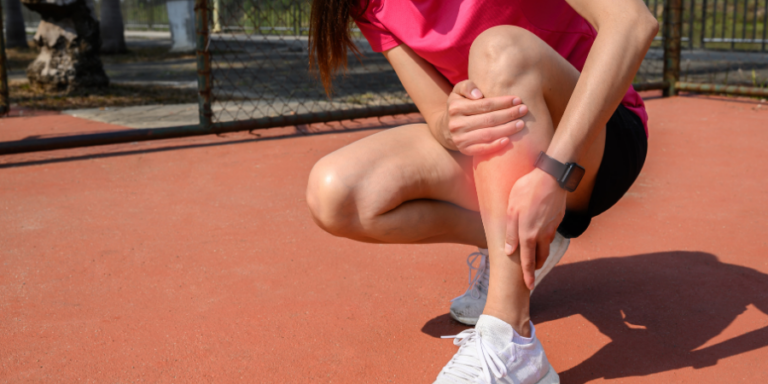
Shin splints are one of the most frustrating injuries for runners, sports players, and anyone who has recently increased their activity levels. The pain along the inner edge of your shin can go from a dull ache to something that stops you in your tracks. The good news is that shin splints are largely preventable, and most cases recover fully with the right approach.
Here is what you need to know.
What Are Shin Splints?
Shin splints is a general term for pain along the shinbone (tibia), most commonly on the inner side. The medical name is medial tibial stress syndrome. The pain comes from overload on the bone and the connective tissue surrounding it, which becomes inflamed under repeated stress.
They are especially common in runners, footballers, basketball players, and military recruits, and they tend to appear when someone increases their training load too quickly.
What Causes Shin Splints?
Understanding the causes is the first step toward prevention. Several factors contribute to shin splints, and most of them are controllable.
Too Much, Too Soon
The most common cause is a sudden jump in activity. Your bones and soft tissue need time to adapt to new loads. When you increase your distance, speed, or training frequency too quickly, the tibia cannot remodel fast enough to handle the stress. This is why shin splints are so common at the start of a new sports season or training program.
Poor Footwear
Worn-out or unsupportive shoes reduce your foot’s ability to absorb shock. As a result, more force travels up through the lower leg with each stride. Running shoes typically have a useful life of 500 to 800 kilometres, so if yours are older than that, it is worth replacing them.
Overpronation
Overpronation means your foot rolls inward excessively when you walk or run. This alters the mechanics of your entire lower limb, placing greater strain on the muscles and bone along the shin. Many people are unaware they overpronate until a podiatrist assesses their gait.
Hard Surfaces
Training on concrete or other hard surfaces increases impact forces significantly. If possible, incorporating softer surfaces such as grass or synthetic tracks into your training can reduce cumulative load on the tibia.
Muscle Weakness or Tightness
Weak hip and calf muscles force the lower leg to compensate, which increases tibial stress. Similarly, tight calf muscles reduce ankle flexibility and change the way force travels through the foot and shin.
Book Your Plantar Fasciitis Assessment Today
How to Prevent Shin Splints
Follow the 10 Percent Rule
This is one of the most important principles in injury prevention. Never increase your weekly training volume by more than 10 percent from one week to the next. This applies to distance, duration, and intensity. Gradual progression gives your body time to adapt.
Strengthen the Right Muscles
Strong hip abductors, glutes, and calf muscles all reduce the load on your tibia. Exercises like calf raises, single-leg squats, and resistance band hip work are excellent starting points. Including these in your routine two to three times per week makes a measurable difference over time.
Stretch Regularly
Keeping your calves and Achilles tendon flexible reduces the mechanical strain on your shins. Aim for daily stretching, particularly after exercise when the muscles are warm. Holding each stretch for at least 30 seconds gives the tissue time to respond.
Choose the Right Footwear
Supportive shoes suited to your foot type and activity are essential. If you are unsure what to look for, a biomechanical assessment from a podiatrist can provide specific guidance. Rotating between two pairs of training shoes can also extend their life and reduce impact fatigue.
Build in Recovery Time
Rest days are not optional. They are when your body actually adapts to training stress. Aim for at least one to two full rest days per week, and avoid back-to-back high-impact sessions when you are starting a new program.
What to Do If You Already Have Shin Splints
If the pain has already started, the most important step is to reduce load immediately. Continuing to train through shin splints can lead to a stress fracture, which is a much more serious injury requiring weeks or months off.
Switching to low-impact activities like swimming or cycling allows you to stay active while the tibia recovers. Applying ice for 15 to 20 minutes after activity can help manage soreness. According to Sports Medicine Australia, most cases of medial tibial stress syndrome resolve within four to eight weeks with appropriate rest and load management.
If your symptoms do not improve within two to three weeks, or if the pain is severe or localised to one specific spot, see a podiatrist. A sharp, pinpoint pain can be a sign of a stress fracture rather than shin splints and needs imaging to rule out. Our team at Sole-Lution Podiatry provides sports podiatry assessments that identify the root cause of your shin pain and get you back to training faster.
Can Orthotics Help?
For patients with overpronation or structural foot issues contributing to their shin splints, custom orthotics can be highly effective. They correct the way your foot moves during activity, reducing the rotational forces that stress the tibia. They are not the right solution for everyone, but for the right patient they can make a significant difference.
If you would like to understand whether orthotics could help in your situation, read our article on plantar fasciitis exercises and foot support, or book an appointment directly with our team.
Shin splints do not have to sideline you for long. With the right load management and a proper assessment, most people get back to full activity within a few weeks. Visit our sports podiatry page to learn more about how we treat lower limb injuries, or book an appointment with our podiatry team today.
For further reading on shin splints and lower limb injuries, Sports Medicine Australia is a trusted resource for evidence-based information.