

Sole-Lution Podiatry

Ingrown Nails

Do you need help with ingrown toenails?

Ingrown toenails are one of the most common foot complaints we treat at Sole-Lution Podiatry. They can be extremely painful and, if left untreated, can lead to infection and more serious complications. The good news is that effective treatment is available, and relief is closer than you think.

What Causes Ingrown Toenails?

Ingrown toenails occur when the edge of the nail grows into the surrounding skin instead of over it. Several factors can contribute to this. First, cutting your nails too short or at a curved angle is one of the most common causes. Tight or poorly fitting footwear can also place pressure on the toes and force the nail to grow inward. In addition, a naturally curved nail shape can make some people more prone to ingrown toenails regardless of how they cut them.

Other contributing causes include:

about-3.png

What Does Treatment Involve?

At Sole-Lution Podiatry, we offer both conservative and surgical treatment options depending on the severity of your condition.

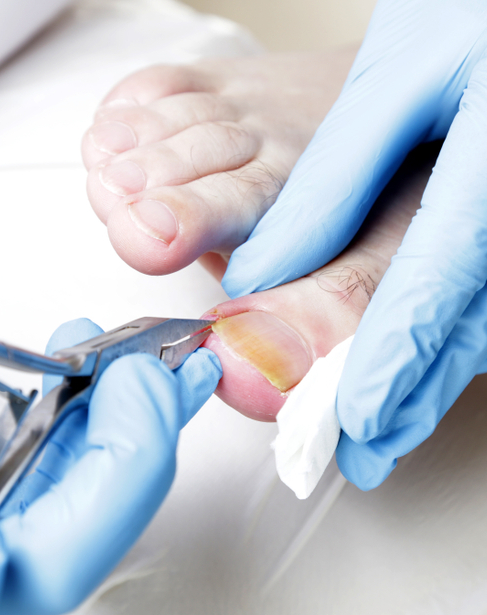
Conservative treatment is often the first step for mild to moderate cases. This involves regular appointments where our podiatrist carefully cuts and manages the nail to relieve pressure on the surrounding skin. We also provide advice on correct nail-cutting technique and footwear to reduce the risk of it returning.

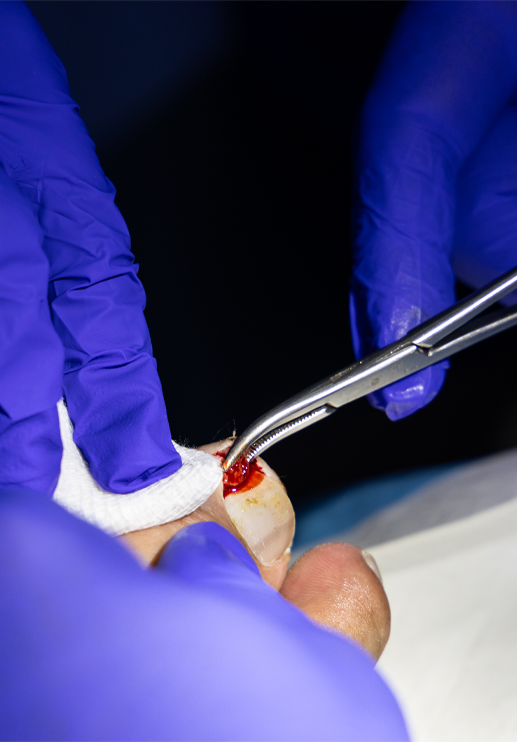
Surgical treatment is recommended for more severe or recurring cases. The most common procedure is a partial nail avulsion, where a small portion of the nail edge is permanently removed under local anaesthetic. In some cases, the entire nail may need to be removed. Both procedures are performed in-clinic and are straightforward, with a high success rate.

What Can You Expect at Your Appointment?

When you come in for your first appointment, our podiatrist will assess the affected toe, discuss your symptoms, and recommend the most appropriate course of treatment. If a minor surgical procedure is needed, it can often be performed on the same day.

After treatment, we will provide you with clear aftercare instructions to support healing and reduce the chance of infection. Most patients return to normal activity within a few days. We also schedule follow-up appointments to monitor your recovery and ensure the nail is growing correctly. What our clinic offers:

Book Your Plantar Fasciitis Assessment Today

When Should You See a Podiatrist?

You should book an appointment as soon as possible if you notice redness, swelling, or discharge around the nail, or if the pain is making it difficult to walk or wear shoes. Trying to manage an ingrown toenail at home by digging at the nail can make the problem worse and increase the risk of infection.

Early treatment is always better than waiting. The sooner you come in, the simpler the solution is likely to be.

Want to learn more about managing and preventing ingrown toenails at home? Read our blog article: How to Prevent Ingrown Toenails From Coming Back for practical tips between appointments.

Ready to get relief? Book an appointment with one of our experienced podiatrists today, or explore our full range of podiatry services to find out how we can help you.

Connect with us

Any Queries?

Click HERE to book an appointment with one of our experienced podiatrists and get relief!